

Powering trust infrastructure for the intelligence era
As machines begin to act on our behalf, every key, signature and secure connection they depend on starts with a random number. Our mission is to make that beginning something the world can trust.
What went in, where it sits, and what changed once it was running.
IllustrativeWritten by Quside to show what a customer story here will cover. No customer is named, quoted or described.
An appliance for the whole data centre, a card for the servers you have, and a module for the products you build.

Entropy Core
One entropy pool for every HSM, server and service on the site, with no application changes.
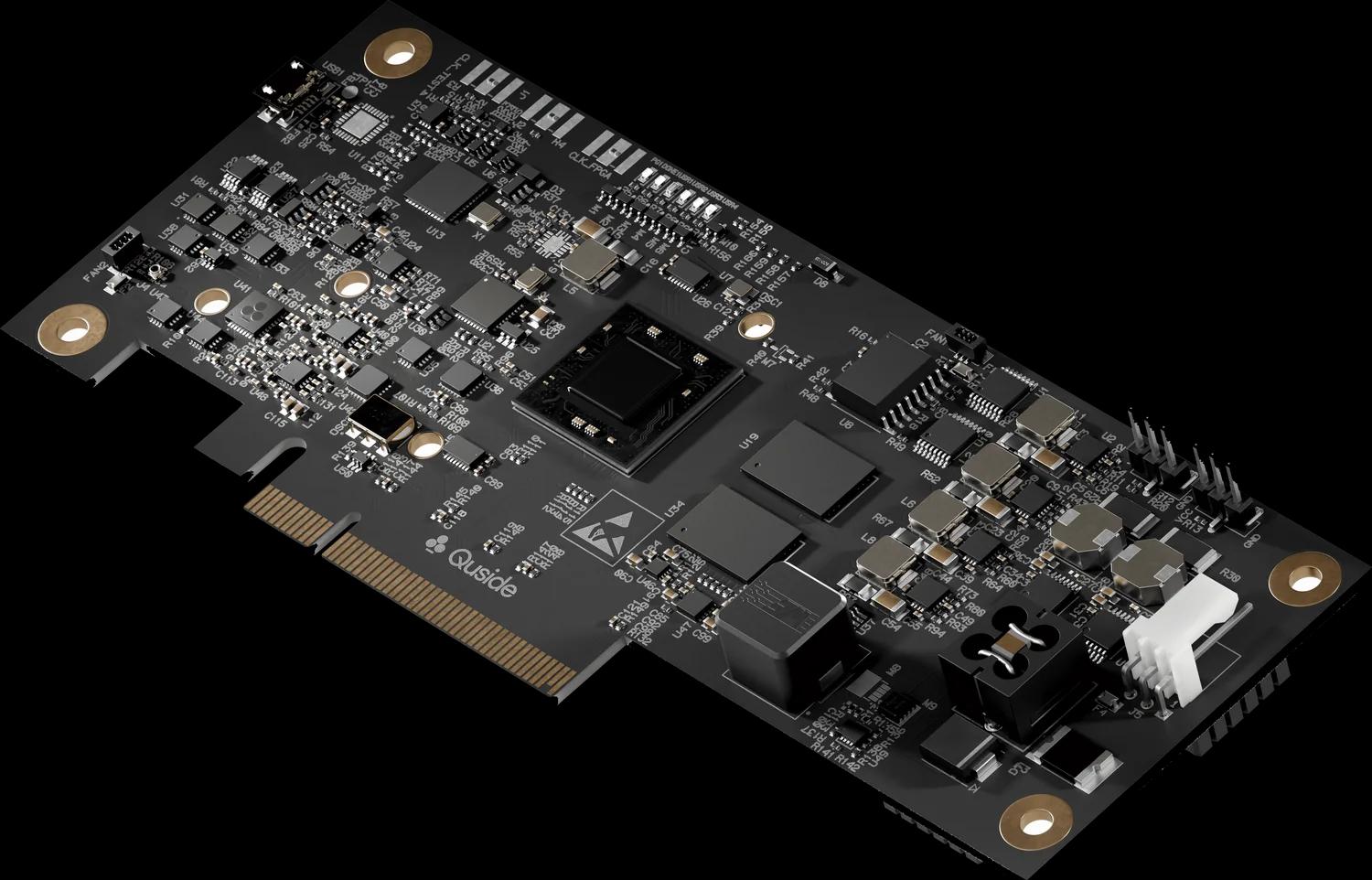
Garnet™ PCIe
For servers, security appliances and data-centre platforms that already have a slot.
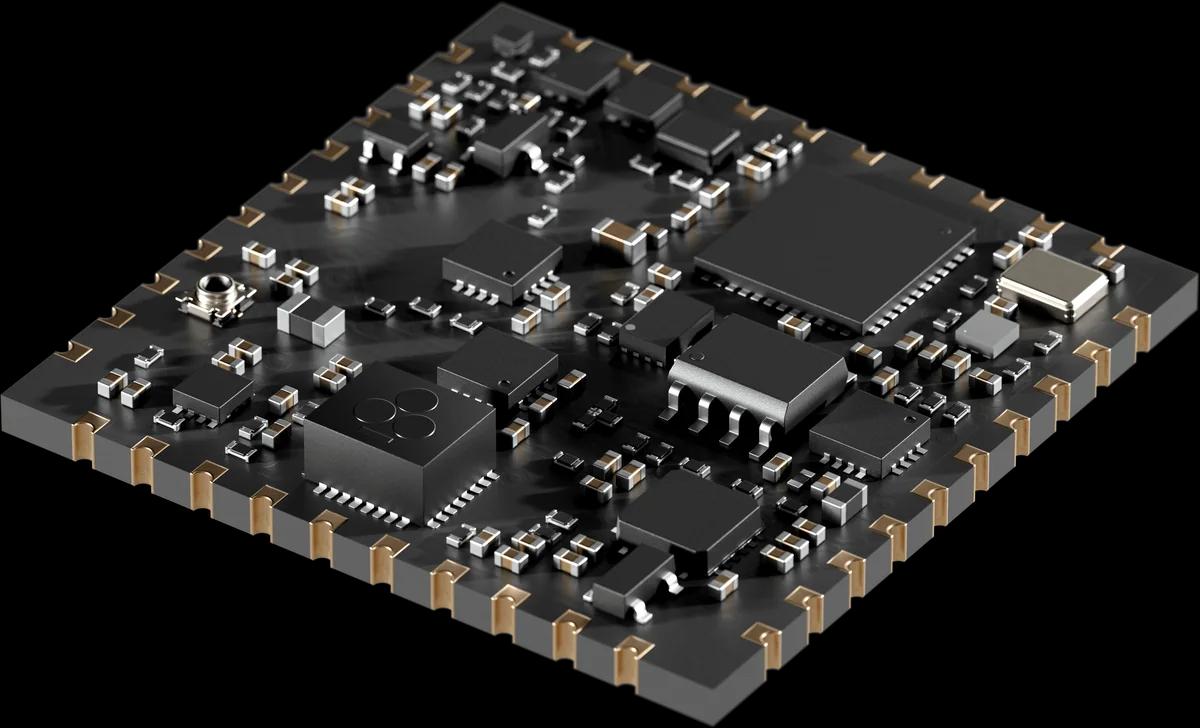
Onyx™ embedded
For roots of trust, secure boot and platform entropy inside a constrained product.
Onyx™ USB
Portable quantum entropy, for systems that need it without opening the box.
Partners across silicon, cryptography and infrastructure
Where we are going next, and where we have been. Every event page says what was on the stand and who was there.

XX Jornadas STIC CCN-CERT
24–27 November 2026 · Madrid
Spain’s national cybersecurity conference, organised by the CCN-CERT. Quside will be there with a coffee corner: come by for a coffee and a conversation about entropy and post-quantum readiness.
Meet us thereQuside Showcase Day 2026
Thursday, October 22, 2026 · Madrid
The second Entropy Nexus, at the Official College of Architects of Madrid, built around three pillars for Europe and Spain: infrastructure, space and defence.
What we did there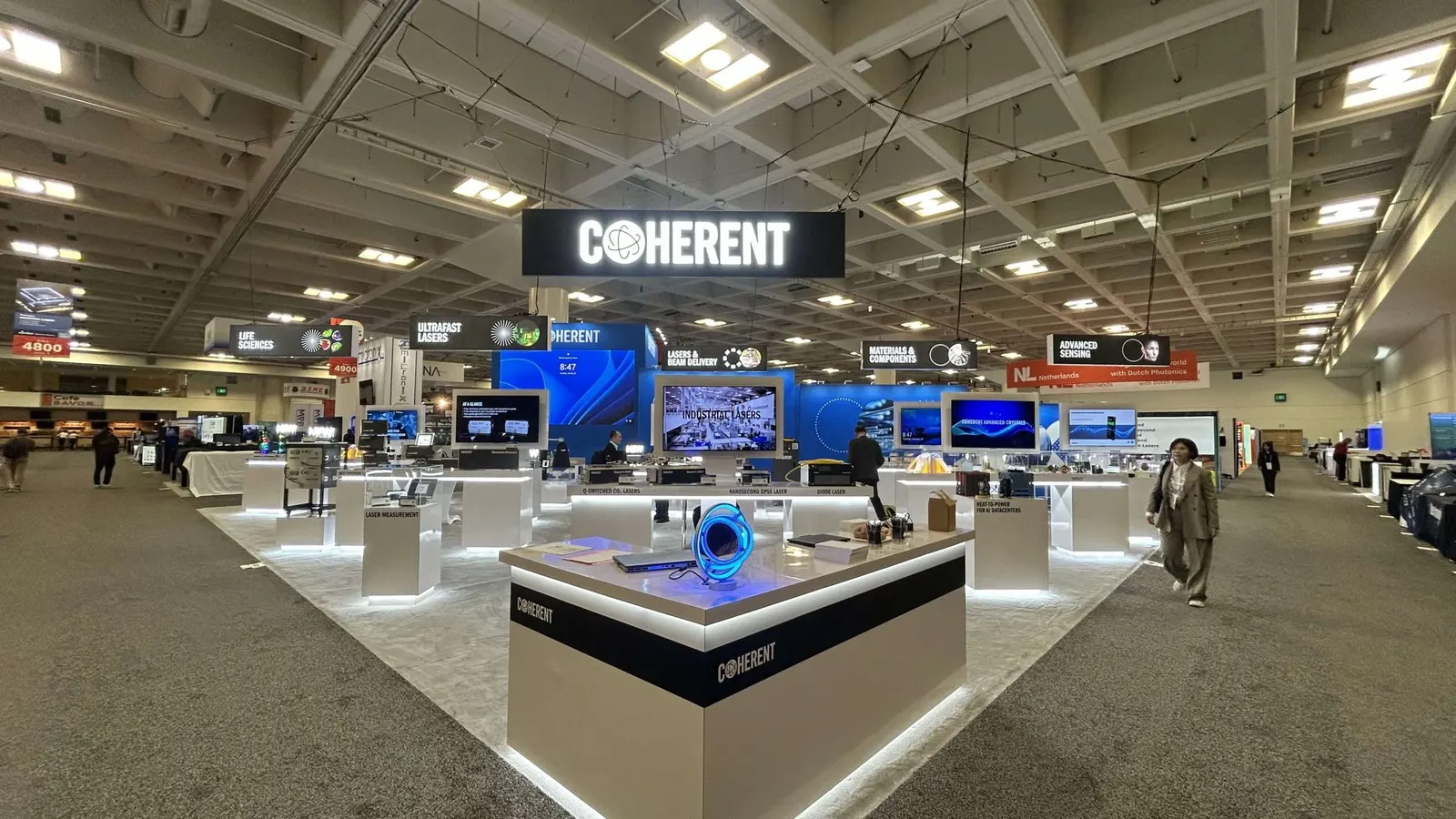
SPIE Photonics West 2026
January 2026 · San Francisco
A live demonstration with Coherent: quantum entropy generated inside VCSEL devices already made at global scale, with its quality monitored while it ran.
What we did there
Ask it like you’d ask our engineers
Type or speak. Get specifics on entropy rates, certification requirements, and how Quside fits your architecture — not a datasheet link. Keep the transcript, or hand it to an engineer and pick up where you left off.
- How is this different from /dev/urandom?
- Which product fits my architecture?
- What does deployment actually involve?
Start with one system.
Begin with a single server, appliance or board, and scale from there.
- 01
Assess
Map where your systems generate keys — servers, HSM hosts, appliances, devices — in one workshop with our engineers.
- 02
Pilot
Put one Quside part into one system, with its health reporting watched from the first day.
- 03
Scale
Carry the same part, software and evidence across sites and product lines.
Put trusted hardware under your cryptography.
Tell us the interface, throughput and environment you are designing for, the algorithms you are migrating to, and the cryptographic work you want off your host. An engineer will come back with an integration path, the assurance evidence that applies to it, and the qualification work it implies.